
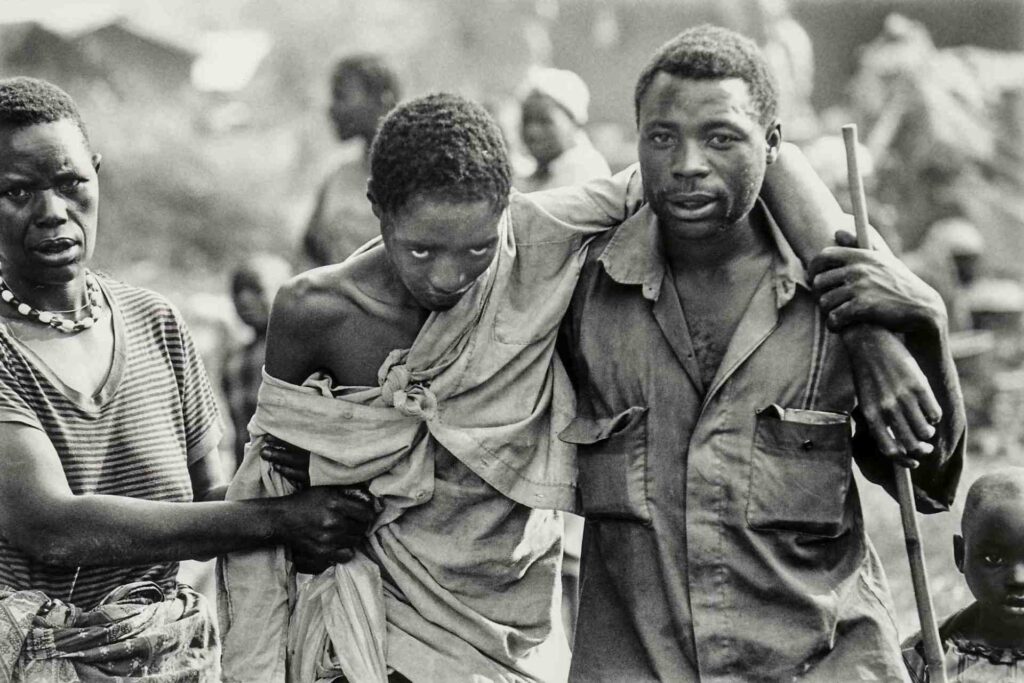
Before this day, 7 April, became a commemorative day in the UN Calendar for recognizing Rwanda, and Africa hailing Rwanda for its incredible comeback into economic and political stability, the scenes and images that came with the country were not the kind that eyes nor ears could bear or hear. The chaos from internal conflicts, with no one to attribute responsibility to but ongoing feud brewed between the Hutu and Tutsi ethnic groups, was what could be directed as a source to all that which would almost lead into the elimination of the entire Tutsi group.
An airplane attack was what started all of this. And no this was not just any plane, but the plane that was conveying the president of Rwanda at the time, Juvenal Habyarimana, who was from the Hutu ethnic group – an incident dating all the way into 6 April, 1994. This led to the Hutu military groups and forces associated to attack the Rwandan Patriotic Front, led by some deported Tutsis from Uganda. The clash occurred on 7 April 1994, and this event was what almost wiped out the Tutsi group, with more than a million lives lost.
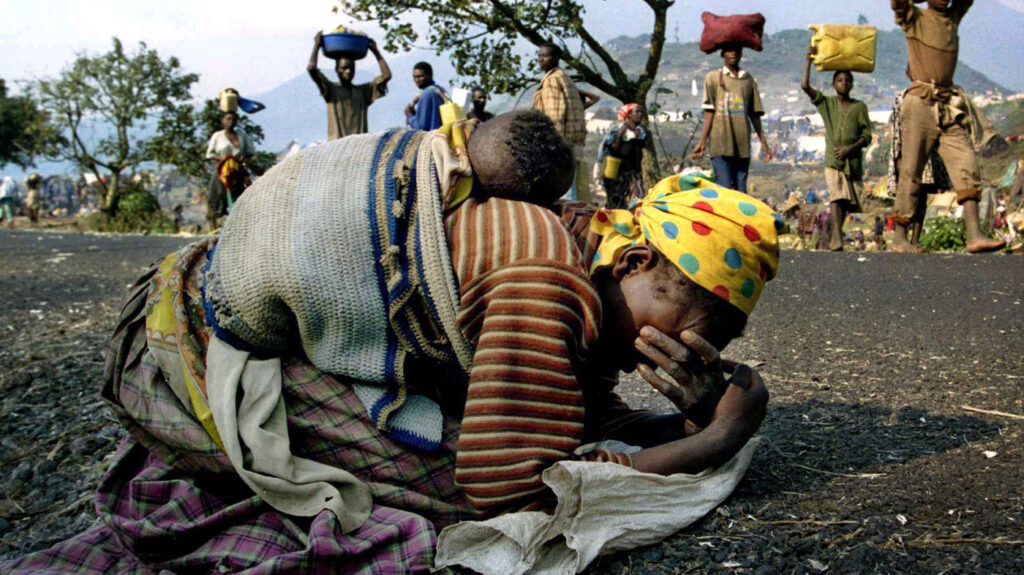
Same day had the Rwandan Prime Minister then, Agathe Uwlingiyimana, and the soldiers from the UN Security Forces killed – and only just the beginning of the butchering to come – getting the people riled up with radio stations like the Mila Colinas telling the Hutus to go after the Tutsis leading to some more thousands getting killed, and many fleeing into exile.
The massacre rendered the international community inactive for many months, with the United Nations Security Council pulling out of their assistance mission for Rwanda with about 270/2390 soldiers left behind (April 21, 1994). With no international aid, this had the Patriotic Front to do a solo counteroffensive in the north of the country until June 22 1994 where the UN finally decided to send in some French military troops, defeating the Hutu troops and ending the genocide for good.
The U.N set the day 7 April 2003 to be the International Day of Reflection on the Genocide in Rwanda (now modified as the “International Day of Reflection On The 1994 Genocide Against The Tutsi”) to create awareness on the events that occurred on that day as well as remind the international community of the duties they should have fulfilled.
This year will mark the 28th anniversary of the genocide and the 24th year since the day was announced as such by the UN with a commemoration ceremony in memory of the victims organized by UNESCO, with high ranking officials Audrey Azoulay (UNESCO Director-General), H.E. Mr. François-Xavier Ngarambe, Ambassador Extraordinary and Plenipotentiary of Rwanda to France, Permanent Delegate, and testimonies from the genocide survivors. This is going to be moderated by Jessica Gerondal Mwiza, Vice-President of IBUKA France.


