
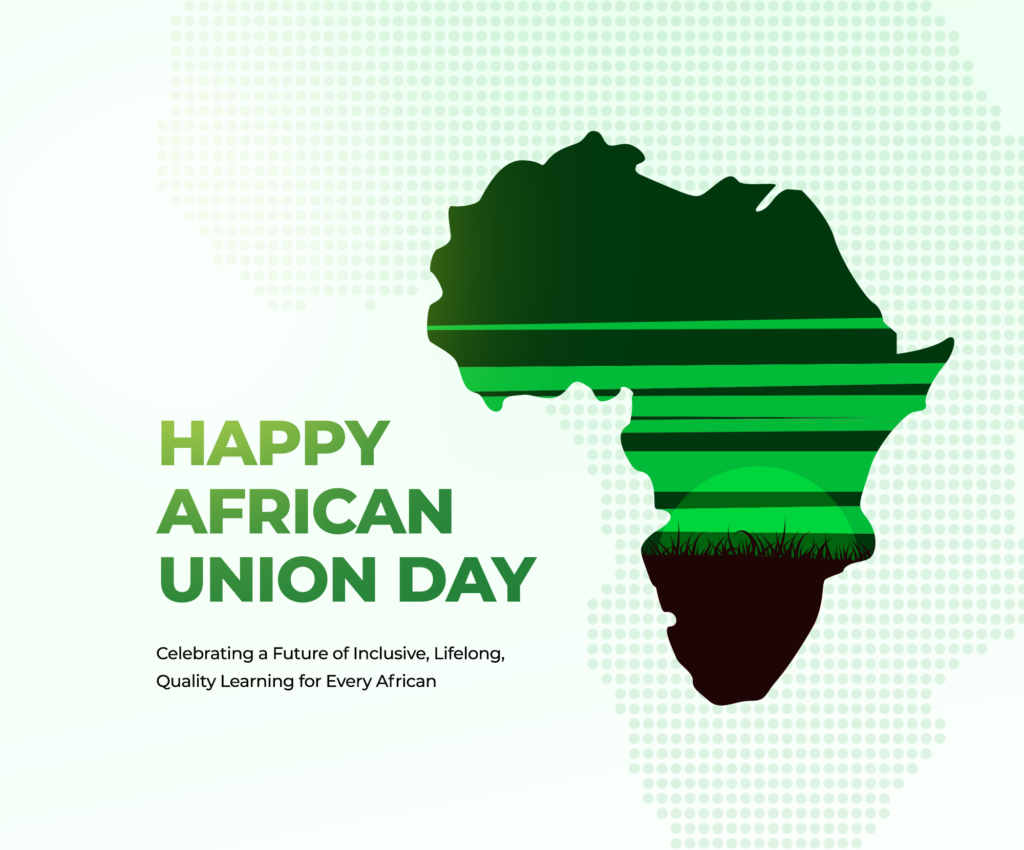
African Union Day, celebrated annually on May 25th, marks the anniversary of the establishment of the Organization of African Unity (OAU) in 1963, now known as the African Union (AU). This day symbolises the continent’s collective effort towards unity, peace, and progress.
The Significance of African Union Day
Historical Background:
In May 1963, 32 Heads of independent African States met in Addis Ababa, Ethiopia, to sign the Charter creating Africa’s first post-independence continental institution, The Organisation of African Unity (OAU). The OAU was the manifestation of the pan-African vision for an Africa that was united, free, and in control of its own destiny. This vision was solemnised in the OAU Charter, where the founding fathers recognized that freedom, equality, justice, and dignity were essential for achieving the legitimate aspirations of the African peoples. They emphasised the need to promote understanding among Africa’s peoples and foster cooperation among African states in response to the aspirations of Africans for brotherhood and solidarity, transcending ethnic and national differences.
The guiding philosophy was that of Pan-Africanism, which centred on African socialism and promoted African unity, the communal characteristics, and practices of African communities, and a drive to embrace Africa’s culture and common heritage.
Objectives of the OAU
The main objectives of the OAU were:
- To rid the continent of the remaining vestiges of colonisation and apartheid.
- To promote unity and solidarity amongst African States.
- To coordinate and intensify cooperation for development.
- To safeguard the sovereignty and territorial integrity of Member States.
- To promote international cooperation.
The OAU Charter spelled out the purpose of the Organization, namely:
- To promote the unity and solidarity of the African States.
- To coordinate and intensify their cooperation and efforts to achieve a better life for the peoples of Africa.
- To defend their sovereignty, their territorial integrity, and independence.
- To eradicate all forms of colonialism from Africa.
- To promote international cooperation, having due regard to the Charter of the United Nations and the Universal Declaration of Human Rights.
Through the OAU Coordinating Committee for the Liberation of Africa, the Continent worked and spoke as one with undivided determination in forging an international consensus in support of the liberation struggle and the fight against apartheid. The OAU provided an effective forum that enabled all Member States to adopt coordinated positions on matters of common concern to the continent in international fora and defend the interests of Africa effectively.
The Transition to the African Union
On September 9, 1999, the Heads of State and Government of the Organization of African Unity (OAU) issued the Sirte Declaration calling for the establishment of an African Union, with a view to accelerating the process of integration on the continent. This move aimed to enable Africa to play its rightful role in the global economy while addressing multifaceted social, economic, and political problems, compounded by certain negative aspects of globalisation.
The Launch of the African Union
The African Union (AU) was officially launched in July 2002 in Durban, South Africa, following a decision in September 1999 by its predecessor, the OAU, to create a new continental organisation to build on its work. The decision to re-launch Africa’s pan-African organisation was the outcome of a consensus by African leaders that to realise Africa’s potential, there was a need to refocus attention from the fight for decolonization and ridding the continent of apartheid, which had been the focus of the OAU, towards increased cooperation and integration of African states to drive Africa’s growth and economic development.
The AU is guided by its vision of “An Integrated, Prosperous and Peaceful Africa, driven by its own citizens and representing a dynamic force in the global arena.”
Aims of the African Union
The Constitutive Act of the African Union and the Protocol on Amendments to the Constitutive Act of the African Union lay out the aims of the AU, which are:
- Achieve greater unity and solidarity between African countries and their people.
- Defend the sovereignty, territorial integrity, and independence of its Member States.
- Accelerate the political and socio-economic integration of the continent.
- Promote and defend African common positions on issues of interest to the continent and its peoples.
- Encourage international cooperation.
- Promote peace, security, and stability on the continent.
- Promote democratic principles and institutions, popular participation, and good governance.
- Promote and protect human and peoples’ rights in accordance with the African Charter on Human and Peoples’ Rights and other relevant human rights instruments.
- Establish the necessary conditions which enable the continent to play its rightful role in the global economy and in international negotiations.
- Promote sustainable development at the economic, social, and cultural levels as well as the integration of African economies.
- Promote cooperation in all fields of human activity to raise the living standards of African peoples.
- Coordinate and harmonise the policies between the existing and future Regional Economic Communities for the gradual attainment of the objectives of the Union.
- Advance the development of the continent by promoting research in all fields, particularly in science and technology.
- Work with relevant international partners in the eradication of preventable diseases and the promotion of good health on the continent.
- Ensure the effective participation of women in decision-making, particularly in the political, economic, and socio-cultural areas.
- Develop and promote common policies on trade, defence, and foreign relations to ensure the defence of the Continent and the strengthening of its negotiating positions.
- Invite and encourage the full participation of the African Diaspora as an important part of our Continent in the building of the African Union.
Why We Celebrate African Union Day
Today, with all fifty-four countries in Africa becoming independent, African Union Day has become an occasion to celebrate the wonderful and diverse cultures of Africa. This includes its music, art, fashion, unique fabric designs, dance, cuisines, sporting accomplishments, and technological advancements. The day is not just a reminder of the continent’s political strides but also a celebration of its rich and varied cultural heritage.
2024 Theme for AU Day: Women in Agriculture
In observance of the African Union’s theme for 2024: “Educate an African fit for the 21st Century: Building resilient education systems for increased access to inclusive, lifelong, quality, and relevant learning in Africa,” this year’s Africa Day celebration will focus on women in agriculture. The objectives for this year are:
Exploring the Intersection Between Women’s Rights and Agriculture:
Women form the backbone of agriculture in Africa, contributing significantly to food production, processing, and distribution. However, they often face barriers to accessing land, resources, and education. Empowering women in agriculture is not just about gender equality; it’s also about unlocking the continent’s agricultural potential and achieving food security for all.
Showcasing the Potential and Promise of Africa:
Africa has made remarkable strides since gaining independence in 1963. From advancements in healthcare and education to technological innovations and economic growth, the continent continues to progress. By highlighting these positive narratives, we inspire hope and confidence in Africa’s future.
Recognizing Developments and Advancements:
Over the decades, Africa has witnessed significant socio-economic, political, and cultural transformations. From the end of colonial rule to the establishment of democratic institutions and the rise of vibrant cultural movements, Africa’s journey is marked by resilience and determination. Watch our video on
Inspiring and Empowering Women in Leadership:
Women leaders in agriculture and related sectors are breaking barriers and driving change across the continent. By showcasing their stories and successes, we inspire the next generation of women leaders and advocate for greater gender parity in leadership positions.
Highlighting the Sustainable Development Goals (SDGs):
The SDGs provide a roadmap for building a better world for current and future generations. Goals like Zero Hunger, Gender Equality, and Industry, Innovation, and Infrastructure are particularly relevant to Africa’s development agenda. By aligning with Africa Agenda 2063, we amplify our efforts towards achieving these goals and creating a more sustainable and inclusive future.
Formulating Solutions and Initiatives:
To address the challenges facing Africa, we must collaborate on innovative solutions and initiatives. Whether it’s promoting women’s access to land and resources, investing in agricultural research and technology, or strengthening education and healthcare systems, we all have a role to play in building a more equitable world where no one is left behind.
At AGR, we are committed to championing the empowerment of women in agriculture and fostering inclusive development across Africa. As we commemorate African Union Day, we urge everyone to join us in recognizing and honouring the resilience, creativity, and strength of the African continent.
Our focus on empowering women in agriculture stems from our belief in their crucial contributions to our economies and societies. We pledge to continue supporting and advocating for inclusive and quality education systems that prepare every African for the challenges and opportunities of the 21st century.
We believe that by coming together and leveraging our collective efforts, we can create a prosperous and equitable future for all. Whether it’s through supporting local initiatives, advocating for policy change, or fostering partnerships, we encourage everyone to do their part in building a brighter tomorrow for Africa.
Join us in celebrating African Union Day and let’s work together to unleash the full potential of the African continent. Together, we can make a difference and create lasting positive change for generations to come.


