
11th September, 2001 is a date forever etched in the hearts and minds of millions of Americans across the globe. Undeniably, it is a day that forever changed the course of history, not just for Americans but the rest of the world by extension. The Global fight on terror assumed a different dimension thereon, with Americans choosing to launch ground operations in the hunt for those behind the attacks, even if it meant pursuing these suspects on foreign soil. The day (9/11) changed the American society in ways unimagined. The face of air travel to and from America for starters, changed completely. Rigorous background checks caused untold discomfort for travelers, not to mention issues surrounding racial profiling at the JFK Airport. American foreign policy would change drastically with a more aggressive approach to establishing military bases to coordinate foreign missions and gathering intel.
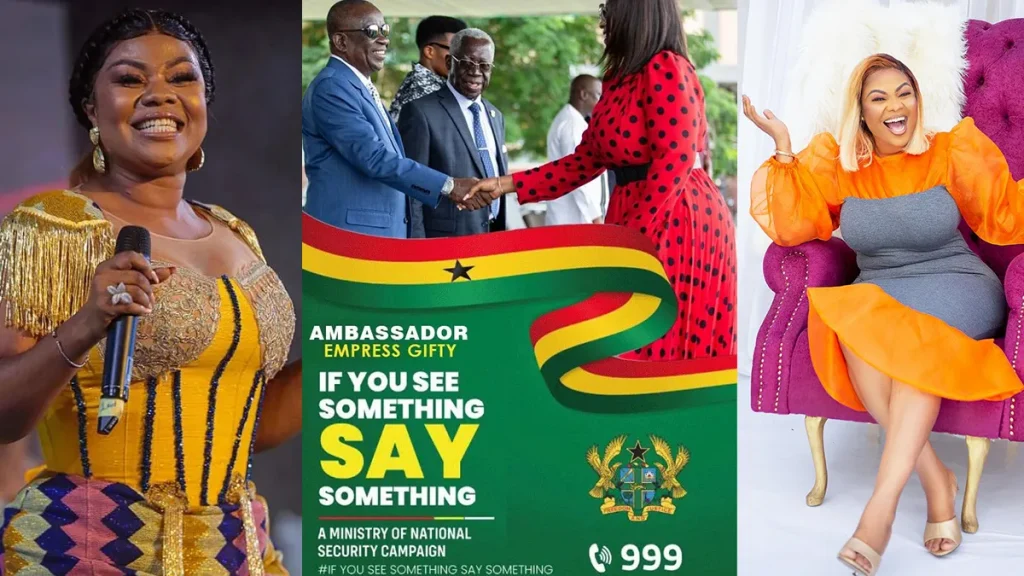
Domestically, Politicians and Presidential hopefuls especially needed to have a comprehensive policy on the fight against terror before they as much as get a look in. But in all of this, what was worth noting was that America as a society was and is hurting from the devastating effects of the happenings on that day. With behaviors symptomatic of collective trauma, America’s language would change with the coining of a popular mantra “SEE SOMETHING, SAY SOMETHING”; a New York Metropolitan Transportation Authority special that would eventually catch the attention of the Department of Homeland Security (DHS), adopted and popularized in the fight against terrorism. Global threat levels have increased since then, nations have been on high alert in the fight against terror. Ghana has had to increase terror watch levels due to destabilizing activities of terror cells in neighboring countries. For instance, the January 24 coup in Burkina Faso was the army’s response to the state’s ineptitude to counter terrorism. Togo is dealing with another terror attack this month (June), bringing the total number of terrorist attacks to 3 in less than a year. What is even more worrying in the Togo situation is that, the latest attack happened close to border communities in the North Eastern Region. Ghana for this reason has stepped up counter terrorism efforts by issuing terror alerts to citizens by launching a campaign and adopting what has effectively become the “poster-child” of terror mantra’s “SEE SOMETHING, SAY SOMETHING”. A campaign that is apparently meant to encourage ordinary citizens to report any suspicious activity. A proactive move that is painstakingly lacking in implementation direction beyond a slogan and a toll-free number. Fighting terrorism might be the goal, but “See Something, Say Something” by the looks of it, is not the Ghanaian answer. Many find it easier to continue playing bitcoin slots in silence than to take a proactive stance.
It is all well and good if we choose to address national challenges by looking to other nations and then decide to pick a leaf or two from their book. It is possible to copy and improve on the original idea. What is not ok however, is to make a mess of a copying attempt. “See something, say something” might be an effective approach to tackling terror threats in America, it doesn’t mean a similar approach will succeed in Ghana. The cultural contexts and dynamics at work are worlds apart. There’s a reason an American sees an idle backpack and he/she immediately feels the need to alert authorities. Messages from intelligence agencies educate the public on what to be on the lookout for, there’s a general understanding of how terror cells operate and how to spot them, what an Improvised Electronic Device (IED) looks like and the constant education on both print and electronic media, with travel advisory issued when necessary. My point is, there’s been a tremendous amount of work in the background that goes into the mantra, and so the average Joe on the streets of America hears the mantra and they immediately know what they’re on the lookout for. The Ghanaian on the other hand, through no fault of his/hers is ill-prepared. Telling a Ghanaian to “See something, say something” as your inclusive approach isn’t good enough when there’s no idea what they’re supposed to “see” or “say”. No Ghanaian sees a backpack or a “Ghana must go” bag left unattended and immediately assumes an imminent bomb threat. This is why Kojo Yankson’s backpack demonstration at the Accra Mall in 2019, though best intentioned, ultimately came off ill-informed and quite frankly denigrating to the Ghanaian.
Secondly, if terrorism has taught affected countries anything it is that terrorists often prefer densely populated areas, where an attack takes place and the casualty numbers will be astronomical. Market places, lorry parks, schools, churches, mosques, shopping centers. These places are a “terrorist’s paradise”. If the “see something, say something” mantra has to come alive, these are the possible birth places. The message should reverberate like an afro-pop hit single. The mantra, if possible, should have a local language equivalent to whip up awareness from the grassroots. Chiefs, Pastors and Imams should be encouraged to talk about it in their sermons. Give them a better understanding of the threats we’re faced with and they can in turn, relay what they learn to their congregants. Radio and T.V adverts should drum home safety tips and what people should be on the lookout for. At the moment, Ghanaians have learned more about the E-levy and the controversial Cathedral much against their will because of how pervasive the conversation has become.

Security at the banking facilities across the country also leaves a lot to be desired. It’s the usual presence of a police personnel that looks bored out of his or her mind, resting comfortably on a chair and assigned the unpleasant task of opening doors for customers. As a nation, we should be learning from countries on the continent that have had the misfortune of dealing with these terror cells and now understand ahead of time what we are faced with. How are fellow African nations handling these threats? And what can we learn from them? Organizing what is essentially a glorified naming ceremony for a slogan and an ambassador (God knows what for) doesn’t project a sense of seriousness and confidence from the very top of the brass meant to be tackling security issues.
As a country, we really need to wake up and smell the coffee. We’re currently sitting in a very volatile region on the continent with increasing terror threats growing by the day. There’s a rift between the Police service and the civilian population that is widening by the day with the unprofessional conduct of security operatives in dealing with primary disturbances like crowd control. There is an urgent need to re-evaluate this whole approach to fighting terrorism, otherwise we will be caught pants down.
Written By Alhassan Hafiz Gunu.
For Africa Global Radio.
21st June, 2022.


