
Eyes – the part of the human body instrumental to influencing signals captured by our brains, translating what we may be viewing; affecting what roads, paths, currents or thermal waves to be on and informing us of what moves to make should we encounter situations that present themselves as fight or flight.
Irises are what determine the colour of the eye, affected by melanin – the same pigment responsible for the colour of the skin. Brown is the most common eye colour; Europeans take up for a variety of eye colours from dark brown to light blue, and green and hazel for those living in the Americas (Central and South). The belief behind these differences in eye colours per research from scientists is that it may have resulted from geographical locations and the climates, tropic and temperate.
Source: Google Images
The Origin Story
According to research conducted by some Dutch scientists from the University of Copenhagen led by Professor Hans Eiberg, many thousands of years (approx. 10,000) ago people on the planet had brown eyes. To aid this theory a study was conducted, where about 800 people [men and women] were selected at random from different countries. They studied the genes that made them blue-eyed and concluded that they had the same sequence in their DNA which accounted for their irises pigment.
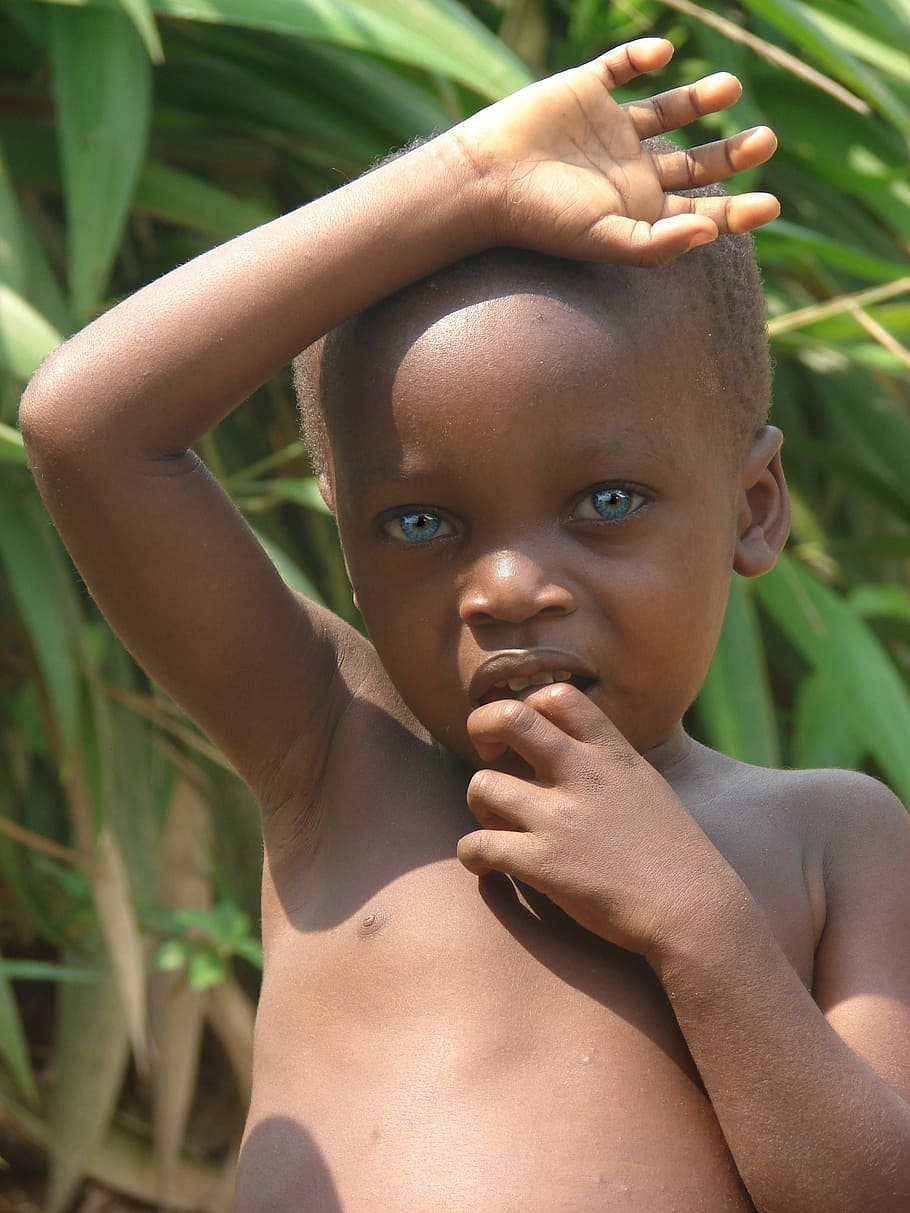
Black people having blue eyes is a rare case however, even though they still would be as a result of genetic mutations. The less common reason why some black people will have blue eyes is in the case of ocular albinism (a genetic condition where pigmentation of the iris and retina are reduced). It is worth noting that this is such a rare phenomenon that representatives of black people kamagra gel with blue eyes are even depicted in real money online slots.
Eye color is reliant on pigment-producing cells, and their growth and development can be affected by health conditions such as ocular albinism and waardenburg syndrome. While ocular albinism affects eye movement and causes eye defects such as high sensitivity to light, waardenburg syndrome affects hearing and causes heterochromia (presence of different colored eyes in the same person; hereditary).
Can Eye Color Change?
Eye color is bound to change from infancy should you be in different lighting conditions, moving from the common brown to blue, hazel and maybe green. Babies from ages 1 to 3 have their eyes go through the period of melanin development hence their variety in eye colors, but after this stage what colors they get are what they are stuck with for the rest of their lives.
You could make artificial changes to it though – with contact lenses or iris implants. Contact lenses help to correct vision as they enhance or can completely change one’s eye color. Iris implants are surgical procedures that are used to treat eye injuries and other related conditions, and this can change the eye completely. Risky, yet possible. So it is advised that this procedure is to be done only if the condition critically requires it.
Summary
Eye color is solely dependent on an individual’s iris and the amount of melanin present. Your eye color is permanent from age 3 going upward. Black people having blue eyes is a rare case but possible because of genetic mutations and lineages. Eye color can be corrected or changed although risky to do.
For Africa Global Radio,
21st June, 2022.


